- Back
- Formation: 15 November 2000
- Capital: Ranchi
- Governor: Ramesh Bais
- Population: 3.19 crores (2012)
- Chief Minister: Hemant Soren
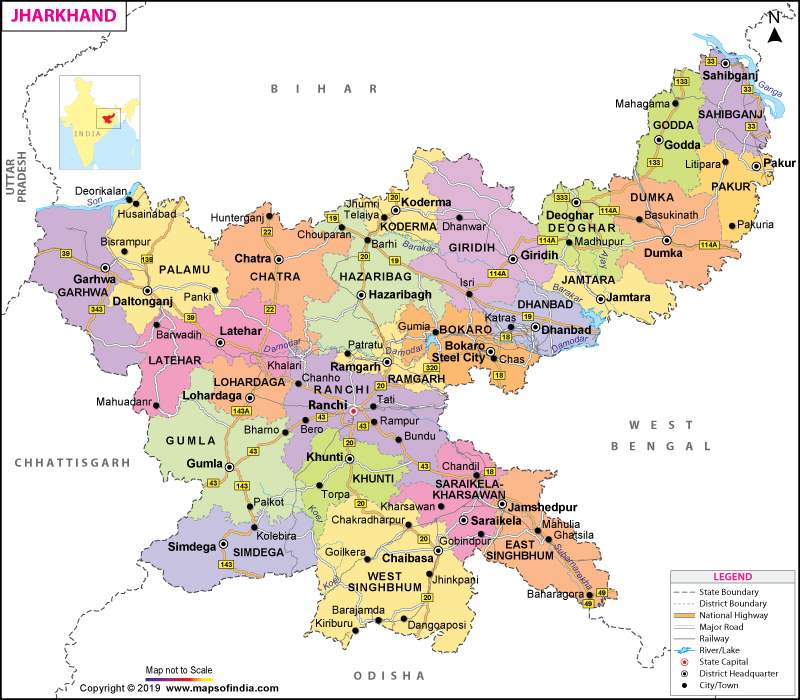
JHARKHAND
Jharkhand is a state in eastern India. It's known for its waterfalls, the elegant Jain temples of
Parasnath Hill and the elephants and tigers of Betla National Park. The state capital of Ranchi is a
gateway to the park. It features the 17th-century Jagannath Temple, a Hindu shrine and the Jharkhand
War Memorial. Tagore Hill is a monument honoring Nobel Prize-winning author Rabindranath Tagore. The
state shares its border with the states of Bihar to the north, Uttar Pradesh to the northwest,
Chhattisgarh to the west, Odisha to the south and West Bengal to the east.
Jharkhand is the leading producer of mineral wealth in the country after Chhattisgarh state, endowed
as it is with a vast variety of minerals like iron ore, coal, copper ore, mica, bauxite, graphite,
limestone, and uranium. Jharkhand is also known for its vast forest resources. Jharkhand is endowed
with rich cultural heritage and bestowed liberally with bounties of nature.
Top places to visit:
1. Deoghar
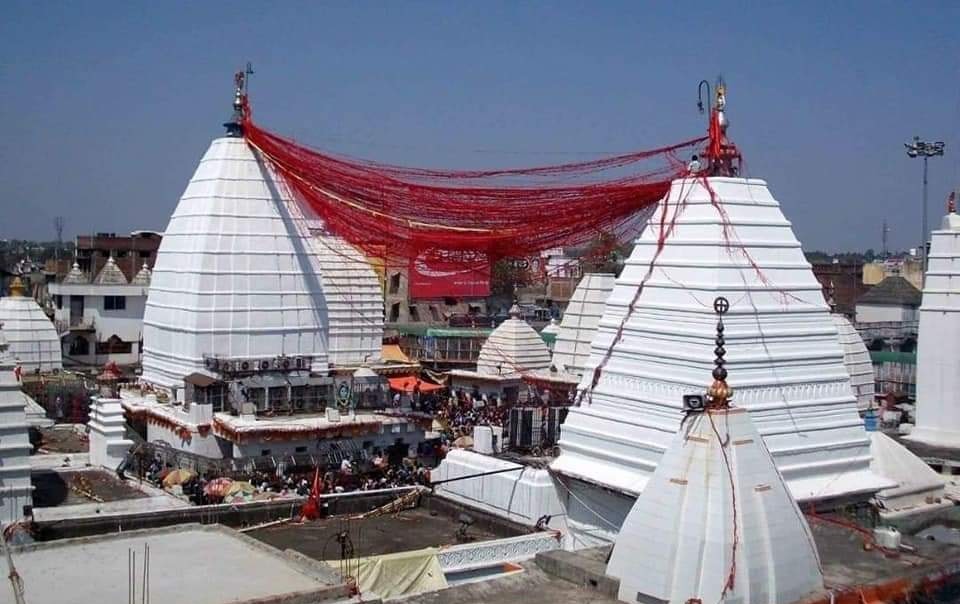
Deoghar, a popular religious destination in Jharkhand is blessed with one of the 12 Jyotirlinga temples known as temple Baidyanath. Baidyanath Dham in Deoghar becomes the most famous during the Shravan month of the Hindu Lunar Calendar, when millions of devotees bring holy water for the Linga in Pitchers called Kanwads, and hence known as Kanwariyas, to perform the holy ritual of Rudrabhishek [The Holy Bath] in this holy month. Deoghar is also known as 'the cultural capital of Jharkhand'.
2. Jamshedpur
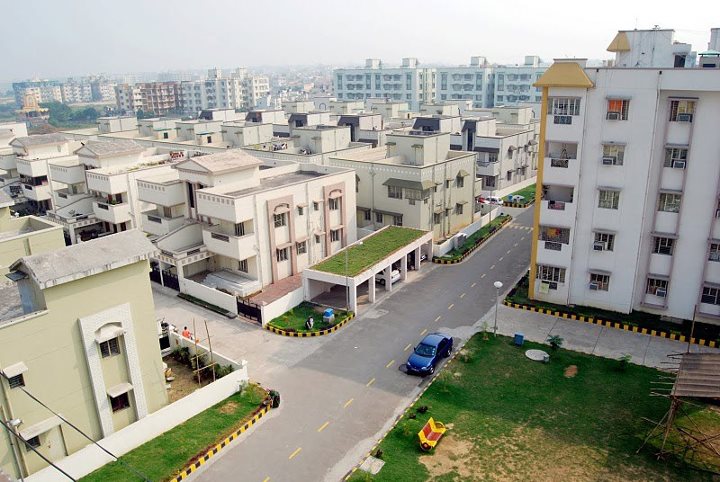
The largest city in Jharkhand, Jamshedpur is an aesthetically planned township with an appealing infrastructure and landscape. Juxtaposed against the beautiful Dalma Hills, Jamshedpur is the world's eighth-largest steel manufacturing company, along with being India's first planned city. The town of Jamshedpur was named after Jamshetiji Tata in 1919, the founder of the Tata industries that maintain public services and infrastructure of most parts of the city. Known as the 'Steel City', Jamshedpur is the quintessential example of the boon of industrialisation in a developing nation. Being the largest city in Jharkhand, the main attractions in Jamshedpur are the vast, tree-lined Jubilee Park (housing Tata Zoological Park with species like tigers and leopards), the hill-top Bhuvaneshwari Temple, and the Dalma Wildlife Sanctuary (home to resident elephants).
3. Ghatshila
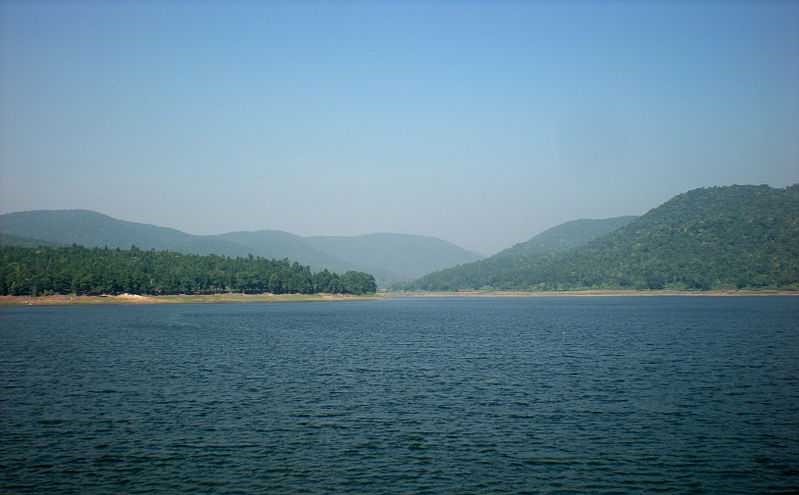
If you’ve visited Ranchi and Kolkata -- and having fallen in love with both the cities, you now crave to experience their magic in unison, then do not worry. Your craving is not in vain for there is a place matching exactly that description! Situated in East Singhbhum district of Jharkhand, the town of Ghatshila has the winding rivulets and serene waterfalls of Ranchi while also harbouring ample sites of religious worship and a rich multicultural heritage that Kolkata does. Ghatshila is a town of festivals, where the locals are fond of celebrating in unity. Visiting Ghatshila means not only that you’re in for the opportunity of spending quality time in nature, by the side of mystical waterfalls and picturesque hills, but also that you get to pay heed to deities in old historical temples.
4. Hazaribagh
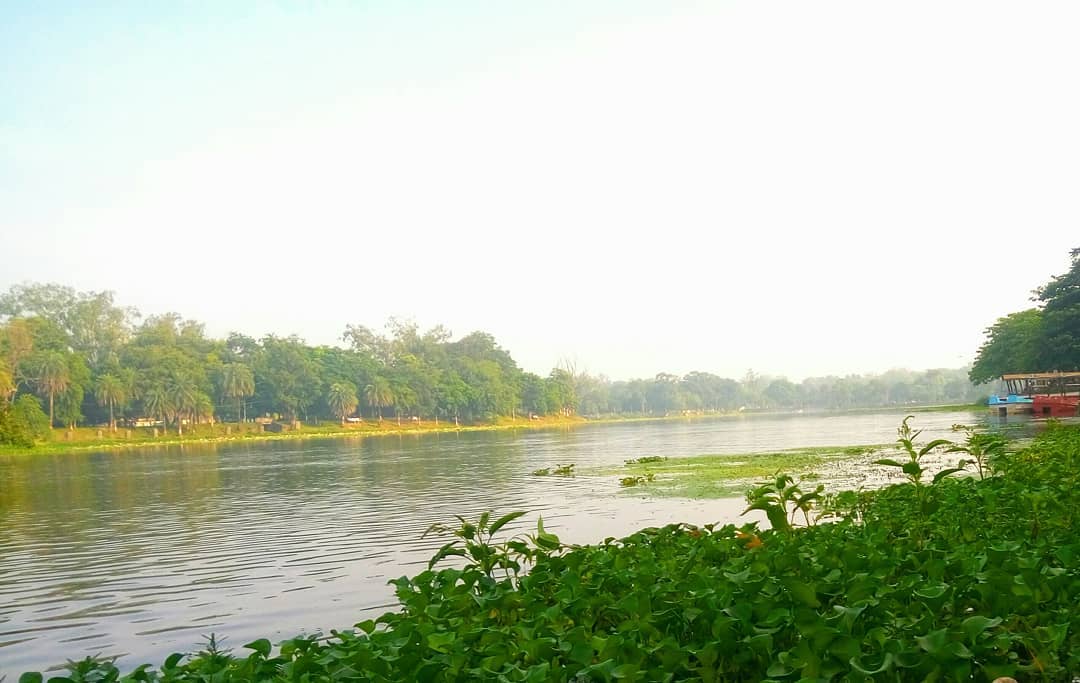
Located in the Chhota Nagpur plateau, 93 Km away from Ranchi, Hazaribagh is a beautiful place with dense forests and natural formations including rock formations and lakes. The forests in Hazaribagh are mostly unexplored and are in its best and purest form with full of greenery. Hazaribagh is located two thousand meters above sea level on the middle plateau (one of the three divisions of Chotanagpur plateau). There are rock strong adamant hills which are lush green with a touch of mud and rocks. The main mountains being Jilinjia which is 3057 m and Chandwa 2816 m. The Hazaribagh national park which is spread across 135km of area, accords the best sight seeing experience as beautiful birds of rarest species chirps the welcome songs for you.
5. Dhanbad
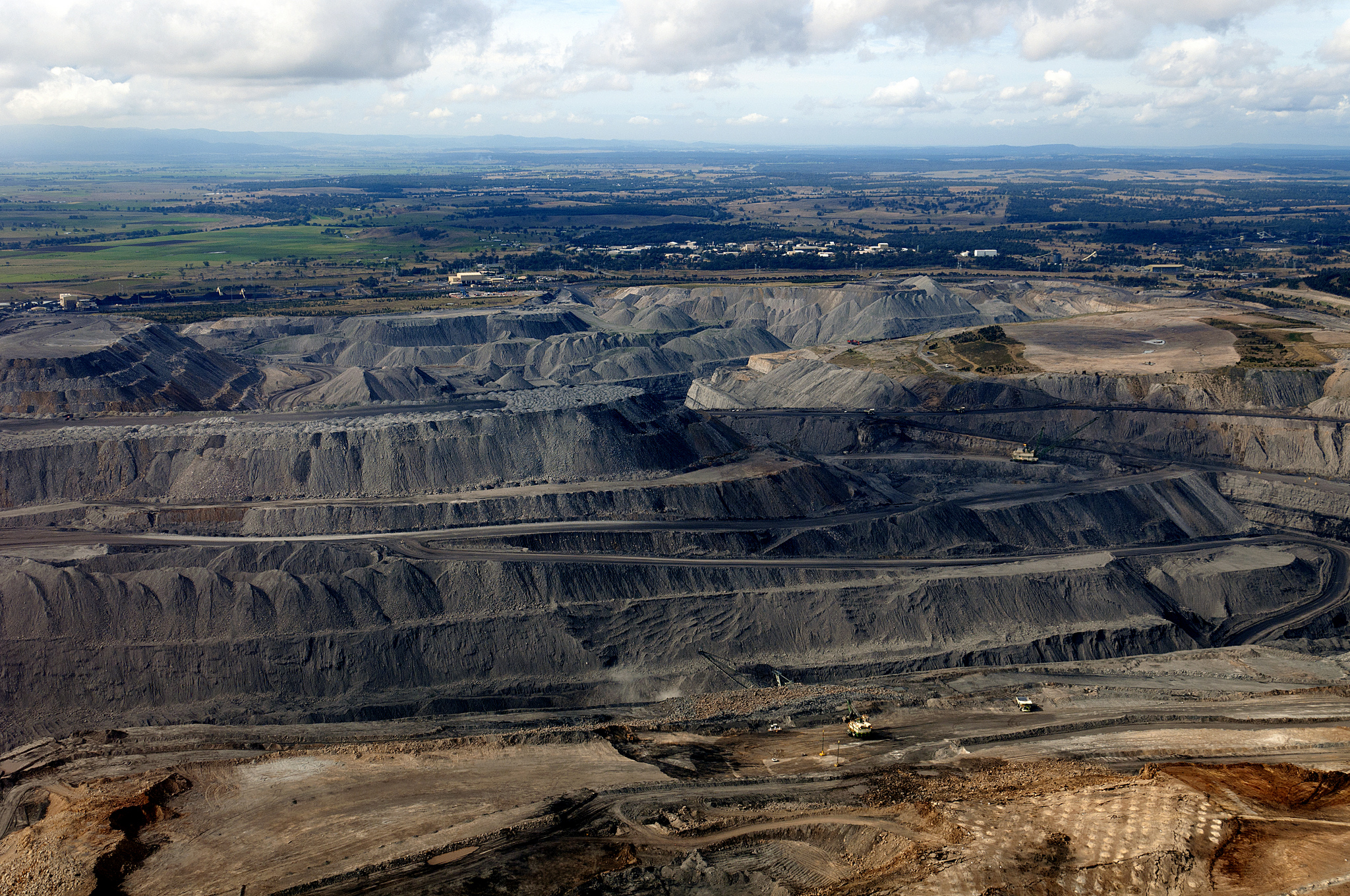
Commonly known as India’s Coal Capital, Dhanbad is one of the most populated cities in Jharkhand. Dhanbad is best known for being a commercial mega-producer and owner of the most significant number of coal mines, factories and industry bases. Due to the presence of the coal industries, this city has gained immense commercial success. Dhanbad also houses the prestigious Indian Institute of Technology, one of the most reputed institutes across the globe. Apart from being a commercial hub, Dhanbad is an amalgamation of natural and humanmade attractions. Dhanbad is also home to various religious sites; one such iconic temple is the Shakti Mandir due to its unique possessions. Dams like the Maithon Dam or the Panchet Dam are often considered the centre of tourist activity, surrounded by hills, dense forests and lakes. The authentic cuisine is also one of its many highlights. The best time to experience Dhanbad is between October and March when the temperature is pleasing and perfect for sightseeing. It is ideal for every tourist looking for a fun weekend in one of the fastest-growing cities in the world.